
At present, the drone and robotics industries are developing rapidly. Compared with manual labor, drones and robots are safer, more efficient, and more convenient, with lower operating costs. They are being widely adopted across many industries, and some have already entered daily life. Many hotels and restaurants are using robots for delivering water and food, and agricultural spraying drones are also becoming increasingly popular. In the cement industry, there are already some application cases and scenarios for drones and robots. The following introduces the current applications and potential future scenarios of drones and robots in the cement industry.
1 Applications of Drones in the Cement Industry
1.1 Aerial Photography for Promotion
With the decreasing price of drones and easier operation, some large companies have purchased consumer drones for aerial photography and corporate promotion. This belongs to general drone usage and will not be described in detail here.
1.2 Drone Surveying in Mines
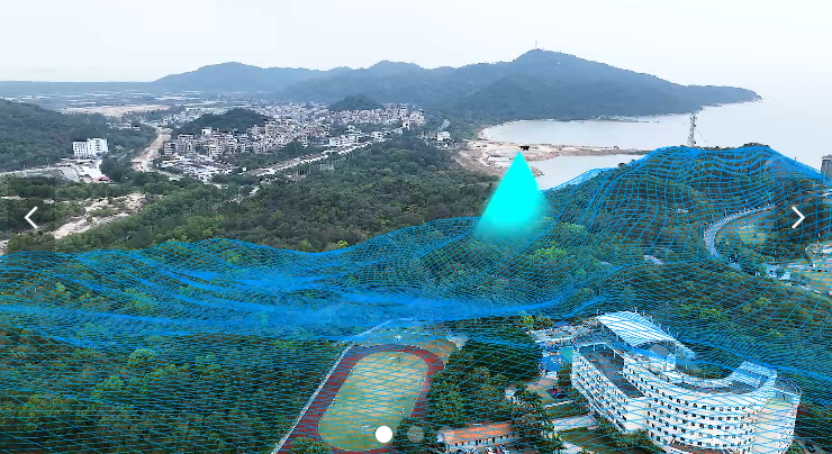
Drone surveying is currently a professional application. Drones equipped with scanning radar fly over mining areas to perform scanning, and specialized software is used to create 3D models of the mine. This allows the volume of mineral resources to be calculated and converted into weight.
During the construction of digital mines, drones are used to scan and model mining data. In addition, government regulations may require annual inspections of mining areas. Professional third-party companies are invited to conduct measurements, and the difference between two measurements is used to calculate the annual mining output, generate official reports, and determine mining fees.
1.3 Drone Inspection and Patrol
Large enterprises can purchase professional drones for daily inspections of mines or plant areas, including fire safety checks, safety inspections, environmental inspections, and routine patrols. Drones with loudspeaker or communication functions can also be selected to facilitate communication when issues are identified.
Currently, drone inspection has been widely adopted in power transmission line inspection and long-distance oil and gas pipeline inspection. However, there are still relatively few applications in the cement industry.
1.4 Inspection of High-Altitude Pipelines Using Drones
In cement plants, some exhaust pipelines are located at high positions with limited access platforms, making daily inspection difficult and risky. Examples include the exhaust pipelines at the outlet of the C1 cyclone at the top of the preheater and the kiln tail exhaust pipelines.
Drones can be used to take photos and check whether insulation sheets are loose or whether expansion joints are damaged and leaking air. Drone inspection is convenient, fast, and significantly reduces safety risks.
1.5 Internal Inspection Using Collision-Resistant Drones
For internal inspection of large silos, chimneys, and kiln tail exhaust pipelines in the cement industry, traditional methods are inconvenient. Previously, silo wall inspection without entering the silo relied on snake cameras, sometimes requiring openings at the top, which is not convenient.
For preheater internal refractory inspection, it is often difficult to view the full interior from manholes, and scaffolding may be required, which is risky and labor-intensive.
Now, collision-resistant drones can fly into confined spaces to perform inspections. They can capture video and use radar to scan spatial shapes, generating 3D models using special algorithms. These drones can be used in chimneys, preheater calciners, cyclones, kiln tail pipelines, and large silos to perform inspection and modeling, making it easier to detect problems.
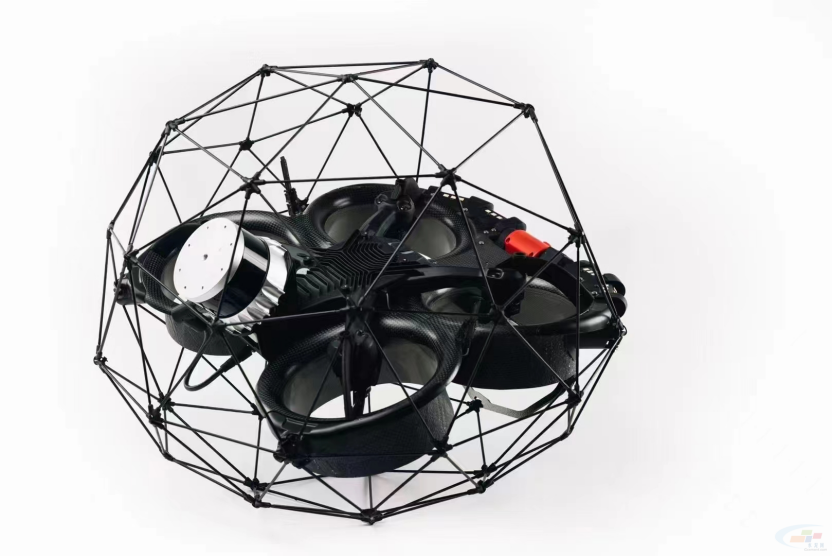
Because these drones are expensive, companies can choose service-based solutions by hiring professional companies for single inspections or purchasing one system for shared use within large groups. Currently, such applications are still limited in the cement industry but are widely used in mining void modeling, tunnels, and underground inspections.
1.6 High-Altitude Cleaning and Coating Using Drones
For structures such as storage sheds, steel roofs, and insulation sheets, if corrosion occurs, traditional methods require scaffolding or crane lifting platforms, which are costly and risky.
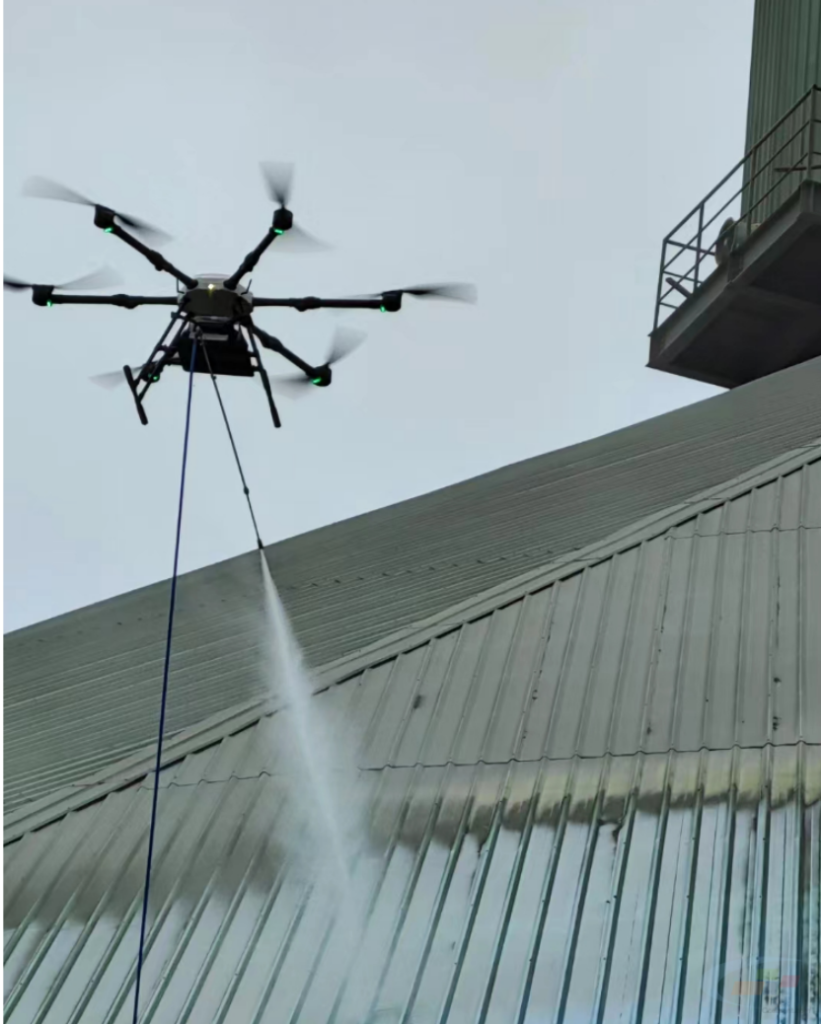
Currently, some projects have adopted drones for cleaning and coating. Drones can be equipped with spray guns and connected to paint supply hoses from the ground, with paint containers placed on the ground. In some cases, drones can also carry dozens of kilograms of paint (similar to agricultural spraying drones; the heavier the load, the higher the cost).
This method requires experienced operators and professional companies. Its advantages include no need for scaffolding or cranes, lower safety risks, and greater convenience and efficiency. There are already practical applications in the cement industry.
1.7 Sample Delivery Using Drones
Currently, some cement plants use compressed air “capsule” systems to transport samples. While this method can pass through complex equipment, the operating cost is relatively high.
In open areas, fixed-route point-to-point drone transportation is already technically mature. It supports multi-point delivery and flexible route adjustments.
In mining areas, drones can be used to transport drilling samples to laboratories, solving the problem of large distances and inconvenient transportation. In large cement plants, this method can also be used to transport cement samples or limestone samples over long distances to laboratories.
There are already mature applications of drone logistics in mountainous tourist areas.
1.8 Inventory Measurement Using Drones
In large storage yards, material piles are uneven and irregular in shape, making inventory calculation difficult. Traditional methods rely on volume estimation and experience, which often result in large errors and affect monthly production data.
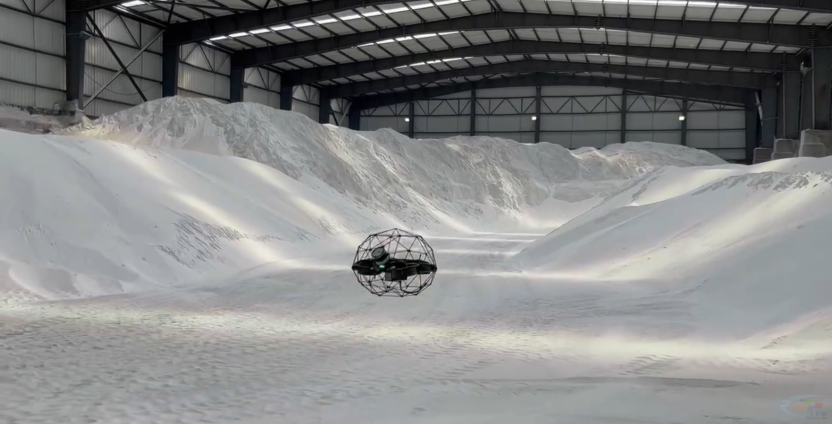
New technology uses drones equipped with LiDAR to scan material piles from above. By combining laser distance measurement with specialized algorithms, a 3D model of the pile can be generated, allowing accurate calculation of volume and conversion to weight based on material density.
This method is convenient, fast, less affected by human factors, and highly accurate. It is suitable for circular stockpiles, long stockpiles, and open storage yards. Many companies are already promoting this solution.
Summary: Drone technology is developing rapidly, with new types such as smaller drones, racing drones, and heavy-load drones continuously emerging. Prices are decreasing, and operation is becoming easier.
In the future, drones suitable for the cement industry are expected to fly along complex routes and be equipped with practical functions such as video monitoring, infrared temperature measurement, acoustic leak detection, and voice communication.
These drones could be deployed at central control rooms, ready to execute commands from operators, fly to any outdoor location in the plant, and display real-time monitoring data on central control screens. This application is expected to become widespread in the cement industry.
2 Applications of Robots in the Cement Industry
The robotics industry is developing rapidly. Robots have already been widely used in electronics manufacturing and automotive industries to replace manual labor. In the cement industry, robots are mainly used for material handling and loading/unloading through robotic arms. Some large warehouses also use AGV and IGV automated vehicles.
Overall, the application of robots in the cement industry is still limited, and more scenarios need to be developed to replace manual labor. The following are specific applications.
2.1 Automatic Bag Insertion and Truck Loading for Bagged Cement
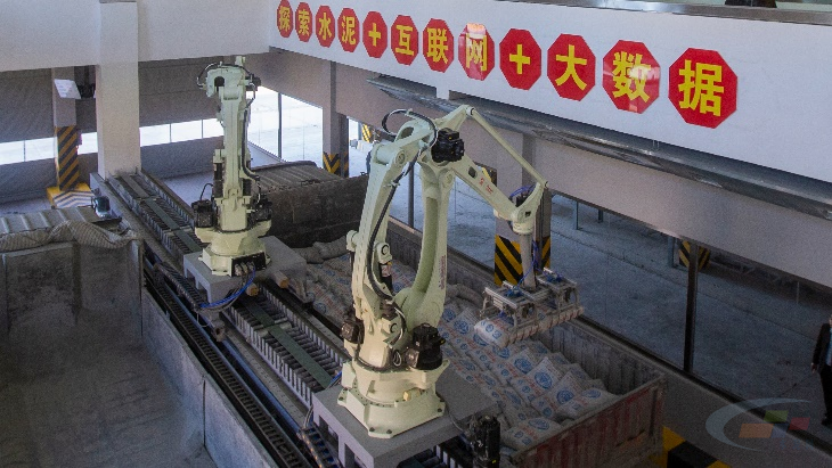
At present, there are many solutions in the cement industry to replace manual labor in bag insertion and loading, and they have achieved good results and are being widely promoted.
For bag insertion, there are mechanical arm bag inserters and pneumatic (jet-type) bag inserters, combined with bag arranging or bag feeding systems, which can fully realize automated and intelligent operation, replacing manual work. Only one worker is required to periodically supply empty bags to the system.
For automatic loading machines, there are various structures, including robotic arm systems that can grab one or two cement bags at a time, pneumatic drop-type systems, and gantry-type loading robots, which can all achieve automatic loading of bagged cement. However, large-scale application cases are still relatively limited.
In recent years, palletizing of bagged cement combined with stretch wrapping has become popular, typically forming 1–2 ton pallets for easy forklift handling.
Modern loading systems can automatically obtain loading quantities from card systems, scan the truck body, calculate loading patterns, and perform automatic palletizing and loading.
Currently, automatic bagging and loading technologies are developing rapidly, with continuous innovation and fast adoption in the cement industry over the past two years.
2.2 Robotic Sample Handling in Fully Automated Laboratories
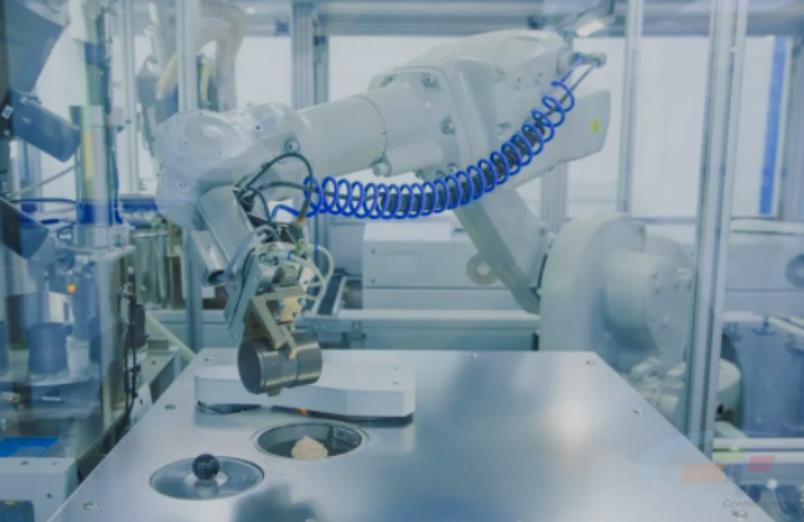
Fully automated laboratory systems are gradually being introduced in the cement industry, with approximately 30 to 50 systems currently in operation. These systems integrate multiple automation and intelligent technologies.
They include multi-joint robotic arms for sample handling. Due to high precision requirements, most robotic arms are currently imported.
At present, the overall cost of fully automated laboratory systems is still relatively high. However, with technological advancements and cost reductions, intelligent laboratories are expected to become standard in the cement industry.
2.3 Conveyor Belt Rail-Mounted Inspection Robots
In some cement plants, long-distance conveyor belts can exceed 10 km, making manual inspection difficult.
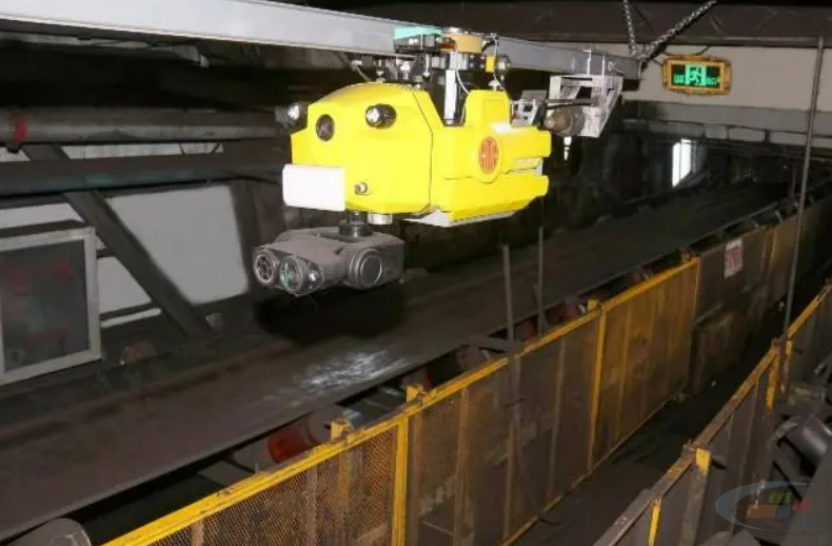
Some systems use rail-mounted inspection vehicles or robots installed above or beside the conveyor. These intelligent inspection robots are equipped with cameras, infrared temperature sensors, and voice communication functions. They can also automatically recharge.
The video feed can be transmitted in real time to the central control room, and the system can automatically detect large material pieces, blockages, spillage, belt breakage, and tearing, with automatic alarm functions.
Currently, such robots are more widely used in the coal industry, but given the large number of conveyor systems in cement plants, they are expected to be widely adopted in the future.
2.4 Electrical Room Intelligent Inspection Robots
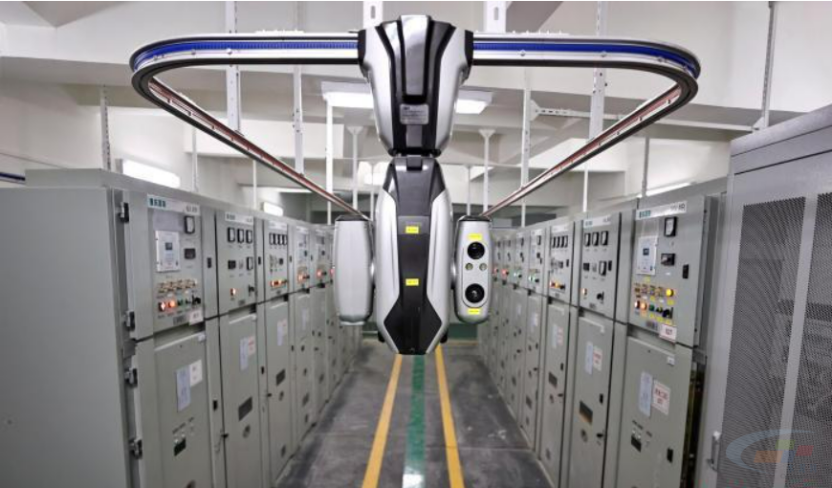
Intelligent inspection robots for electrical rooms were first used in high-voltage and ultra-high-voltage substations, and are now applied in cement plant electrical rooms.
These robots can be wheel-driven or rail-mounted, with automatic charging capabilities. They follow predefined routes and are equipped with video monitoring and infrared temperature sensors to detect the temperature of transformers and electrical components inside cabinets.
Data and images can be transmitted wirelessly to central control systems, with automatic alarms for abnormal conditions. Combined with other electrical monitoring systems, they enable unmanned inspection and operation.
2.5 Silo Cleaning Robots
There are many storage silos in the cement industry, which require periodic cleaning. Manual cleaning requires workers to enter silos, posing significant safety risks and leading to accidents.
The industry urgently needs technologies that allow cleaning without entering the silo, driving the development of mechanical cleaning solutions. Many companies have introduced patented silo cleaning robots.
Most current systems combine electrical and mechanical technologies but do not yet have intelligent recognition capabilities. They still require manual operation from outside the silo, using cameras and radar to monitor conditions inside.
The cleaning process relies on gravity, mechanical rotation, and cutting to remove material buildup on silo walls. Currently, it is possible to clean silos without human entry.
In the future, fully intelligent cleaning robots with automatic recognition and cleaning capabilities are expected to be developed and widely applied.
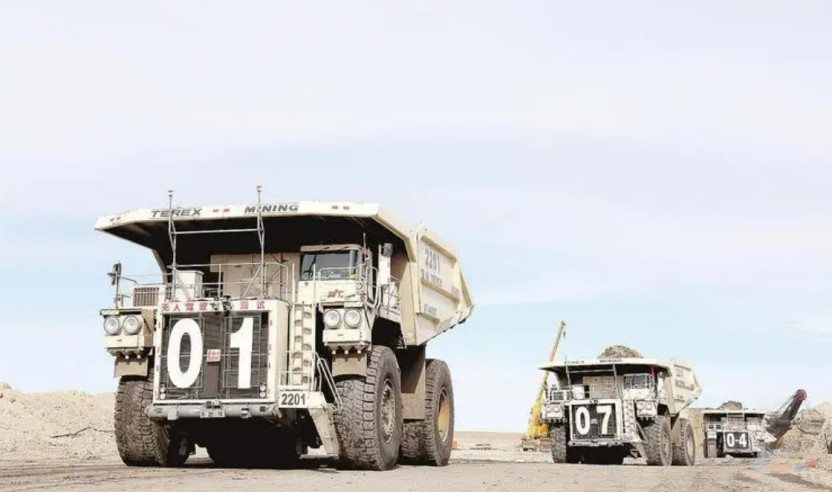
2.6 Autonomous Mining Trucks
In recent years, low-speed autonomous mining trucks have developed rapidly and become a major trend. Many specialized companies are focusing on this technology, and progress has been significant.
With the advancement of new energy vehicle technology, close cooperation between manufacturers and autonomous driving companies has led to continuous innovation.
Currently, more than ten cement mines are using over 100 autonomous trucks in operation. These trucks can achieve automatic driving, queuing, collision avoidance, and unloading, delivering good economic and social benefits.
With further technological progress and cost reduction, large-scale adoption in cement mining is expected.
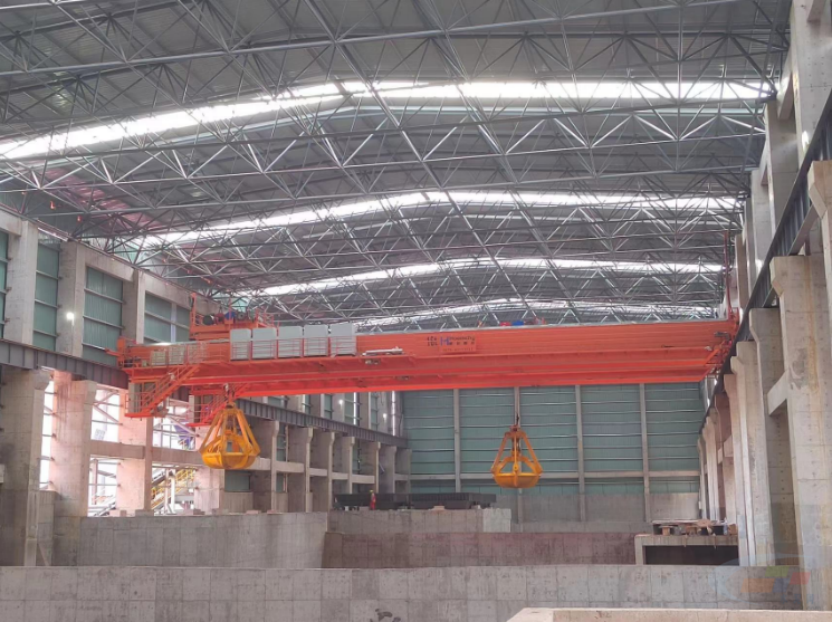
2.7 Intelligent Grab Feeding Systems
Based on 3D stockpile measurement systems, material levels in storage areas can be monitored and modeled in real time. Combined with video recognition technology, the system can detect when a silo is empty and automatically activate an intelligent grab system.
The system transfers material from high points to empty silos, achieving fully automated and unmanned operation.
This replaces traditional loader feeding, reducing construction and operating costs and improving safety. Applications have already been implemented in new cement batching plants.
2.8 AGV / IGV Automated Vehicles
AGV and IGV automated vehicles are widely used in logistics, warehousing, and port operations.
In the cement industry, they are currently used in some large spare parts warehouses and hazardous material storage facilities, but applications are still limited. As they are general-purpose equipment, they will not be described in detail here.
It is hoped that in the future, robots similar to those in science fiction movies, such as quadruped and humanoid robots, will be able to replace human labor in inspection and other physical and cognitive tasks, fully freeing human labor and enabling intelligent cement production.